
Top Software Tools for Drug Design and Analysis
Drug design software encompasses diverse tools supporting molecular modeling, property prediction, and structure optimization. These platforms enable medicinal chemists to design novel compounds with desired therapeutic properties while minimizing potential liabilities. Modern drug design workflows integrate multiple software solutions, each addressing specific aspects from molecular sketching through activity prediction. Open-source alternatives increasingly complement commercial packages, providing cost-effective options for academic research and expanding access to sophisticated computational methods essential for modern pharmaceutical development.
Essential Software Categories for Drug Design
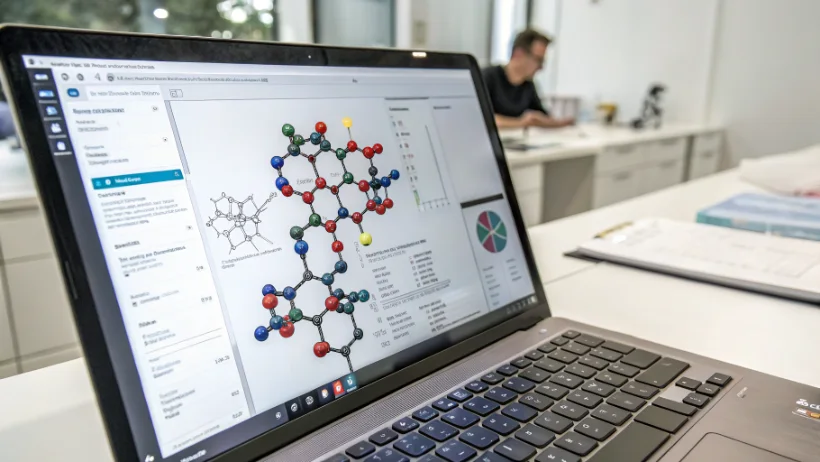
Comprehensive drug design requires multiple software types working in concert. Molecular modeling tools visualize and manipulate structures, property prediction software estimates key pharmaceutical characteristics, and virtual screening platforms evaluate large compound libraries against biological targets.
- Molecular modeling software enables structure building, geometry optimization, and conformational analysis of drug candidates
- ADME prediction tools estimate absorption, distribution, metabolism, and excretion properties critical for drug viability
- Docking programs predict how compounds bind to protein targets and calculate binding affinity estimates
- QSAR modeling platforms correlate molecular structure with biological activity for predictive compound design
- Toxicity prediction software identifies potential safety concerns early in the development process
Software Tool Comparison
Different software platforms excel in specific aspects of the drug design workflow, with varying accessibility and capabilities.
| Tool Category | Example Software | Key Application |
|---|---|---|
| Molecular Visualization | PyMOL, VMD | Structure analysis |
| Property Prediction | QikProp, DataWarrior | ADME estimation |
| Docking | AutoDock Vina, GOLD | Binding prediction |
| QSAR | Open3DQSAR, MOE | Activity modeling |
"Integrated drug design workflows combining multiple specialized software tools enable researchers to optimize compounds systematically across multiple criteria, from potency through safety profiles."
Building Effective Drug Design Workflows
Successful drug design integrates multiple software tools into cohesive workflows addressing all aspects of compound optimization. Initial virtual screening identifies promising scaffolds from large libraries, followed by detailed binding analysis to understand molecular interactions. Property prediction guides structural modifications to improve pharmaceutical characteristics while maintaining activity. Iterative cycles of computational prediction and experimental validation progressively refine compounds toward clinical candidates. Modern workflows increasingly incorporate machine learning to accelerate prediction accuracy and identify novel chemical space. The combination of open-source and commercial tools provides flexibility to customize workflows matching specific project needs and resource constraints.