
Open-Source Software for Casino Data Analysis
The intersection of open-source software and casino data analysis represents a growing field where statistical rigor meets gaming analytics. Tools originally developed for scientific research, such as Open3DQSAR, demonstrate capabilities that extend beyond molecular analysis into probability assessment, pattern recognition, and data-driven decision making. These platforms offer transparency, customization, and powerful analytical methods that can be adapted for evaluating gaming data, odds calculations, and strategic optimization in casino environments.
Statistical Analysis Capabilities for Gaming Data
Open-source software platforms provide robust statistical tools for analyzing casino game data. These systems process large datasets to identify patterns, calculate probabilities, and evaluate game outcomes with scientific precision. The same chemometric techniques used in pharmaceutical research can be applied to assess randomness, fairness, and statistical distributions in gaming scenarios.
- Probability distribution analysis verifies game fairness by comparing observed outcomes against theoretical expectations
- Pattern recognition algorithms detect trends and anomalies in gameplay data that might indicate system issues
- Multivariate regression models explore relationships between multiple gaming variables simultaneously
- Time series analysis reveals cyclical patterns and long-term trends in player behavior and game performance
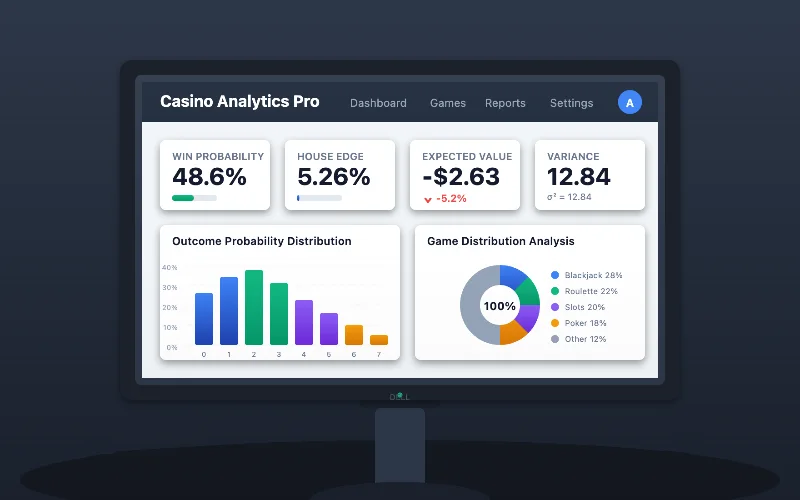
Comparison of Analysis Approaches
Different analytical methodologies offer distinct advantages for casino data evaluation, ranging from basic statistical tests to advanced machine learning algorithms.
| Analysis Method | Best Use Case | Complexity Level |
|---|---|---|
| Descriptive Statistics | Basic outcome tracking | Low |
| Probability Modeling | Odds calculation | Medium |
| Machine Learning | Pattern prediction | High |
| Chemometric Analysis | Multi-variable assessment | High |
"The transparency of open-source analytical tools enables independent verification of gaming fairness, building trust through verifiable mathematical methods rather than proprietary black boxes."
Implementation and Practical Applications
Implementing open-source analysis tools for casino data requires understanding both the software capabilities and the gaming domain. These platforms excel at processing high-volume transaction data, calculating expected values, and identifying statistical anomalies. Whether evaluating game design, monitoring operational performance, or developing strategic approaches, open-source tools provide cost-effective solutions with transparent methodologies. The adaptability of platforms like Open3DQSAR demonstrates how scientific software can be repurposed for diverse analytical challenges beyond their original pharmaceutical research applications.